
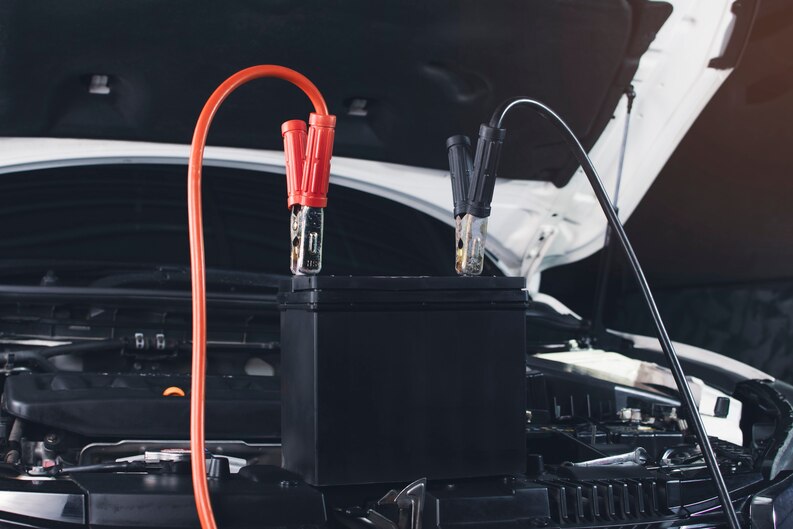
The car battery is the lifeline of your vehicle, powering all electrical systems and ensuring the engine runs smoothly. However, like all components, it deteriorates over time. Initially, it starts losing its charge-holding capacity and eventually becomes non-operational. Recognizing these early signs can prevent you from getting stranded or facing unexpected expenses. In this article, we’ll discuss the common symptoms of a failing car battery and the steps you can take to avoid complete failure.
The Car Fails to Start
One of the most evident signs of a failing battery is difficulty in starting your car. If your engine takes longer to crank or clicks without starting, your battery is likely on its last legs. This issue is more noticeable in cold weather when the battery’s efficiency drops.
Flickering or Dim Lights
A failing car battery often results in weak or flickering headlights. When the engine is running, headlights should be bright and steady. Dim or flickering lights indicate that the battery isn’t adequately powering your car’s electrical system.
Dashboard Warning Lights
A battery warning light on your dashboard is a clear indicator of battery problems. It could be a small battery symbol or the “check engine” light, signaling issues with the battery or the alternator. If this light appears, it’s time to get your battery checked by a mechanic.
Bulging or Swollen Battery Case
An inflated or swollen battery case is another warning sign. This usually means the battery is overcharged or too hot, causing internal damage. A swollen battery should be replaced immediately to avoid leaks or explosions.
Strange Odor Near the Battery
A foul odor near the battery, resembling rotten eggs, indicates a gas leak. This is caused by hydrogen sulfide, which is released when the battery malfunctions. Replace the battery immediately to prevent health hazards.
Rusting Around the Battery Terminals
Corrosion around the battery terminals is a sign of a failing battery. White, powdery residue indicates acid leakage, which can hinder the battery’s ability to power the car. Clean the corrosion and have a professional check your battery.
Frequent Jump-Starting
If you find yourself needing a jump-start often, it’s a sign that your battery is failing. A reliable battery should hold its charge without needing external help. Frequent jump-starts can damage your car’s electrical system, so it’s best to replace the battery promptly.
Battery Age
Car batteries typically last between 3 to 5 years, depending on usage and climate conditions. Even if the battery appears to be functioning, its performance declines with age. Regularly test batteries older than three years to ensure they’re still reliable.
Electrical System Problems in the Car
A bad battery can affect other electrical systems in your vehicle, such as the radio, power windows, and air conditioning. If these systems start malfunctioning, it might be due to an inadequate power supply from the battery.
Conclusion
If you notice any of these signs, it’s crucial to take immediate action. A dead battery can leave you stranded and lead to additional electrical issues in your vehicle. Recognizing these symptoms early allows for timely and cost-effective replacements.
Regular maintenance and battery checks can extend the life of your car battery. If you observe any failing signs or if the battery is nearing the end of its lifespan, consider a replacement to avoid future problems. Regular upkeep ensures your vehicle remains reliable and reduces the risk of unexpected breakdowns.